Slot Game Evolution in Visual Design and Player Immersion

The visual evolution of the slot game industry has been one of the most dramatic transformations in digital entertainment. What once consisted of simple mechanical reels with limited symbols has now become a highly immersive visual experience powered by advanced graphics, animation, and interactive design.
Early slot games were purely mechanical, featuring basic symbols like fruits, bars, and bells. Visual design was minimal because functionality depended entirely on physical components. As technology progressed, these simple designs laid the foundation for more expressive and creative slot experiences.
The introduction of video-based systems marked a major turning point. A slot game no longer required physical reels; instead, digital screens allowed developers to experiment with colors, animations, and thematic storytelling. This shift opened the door to far more visually rich environments.
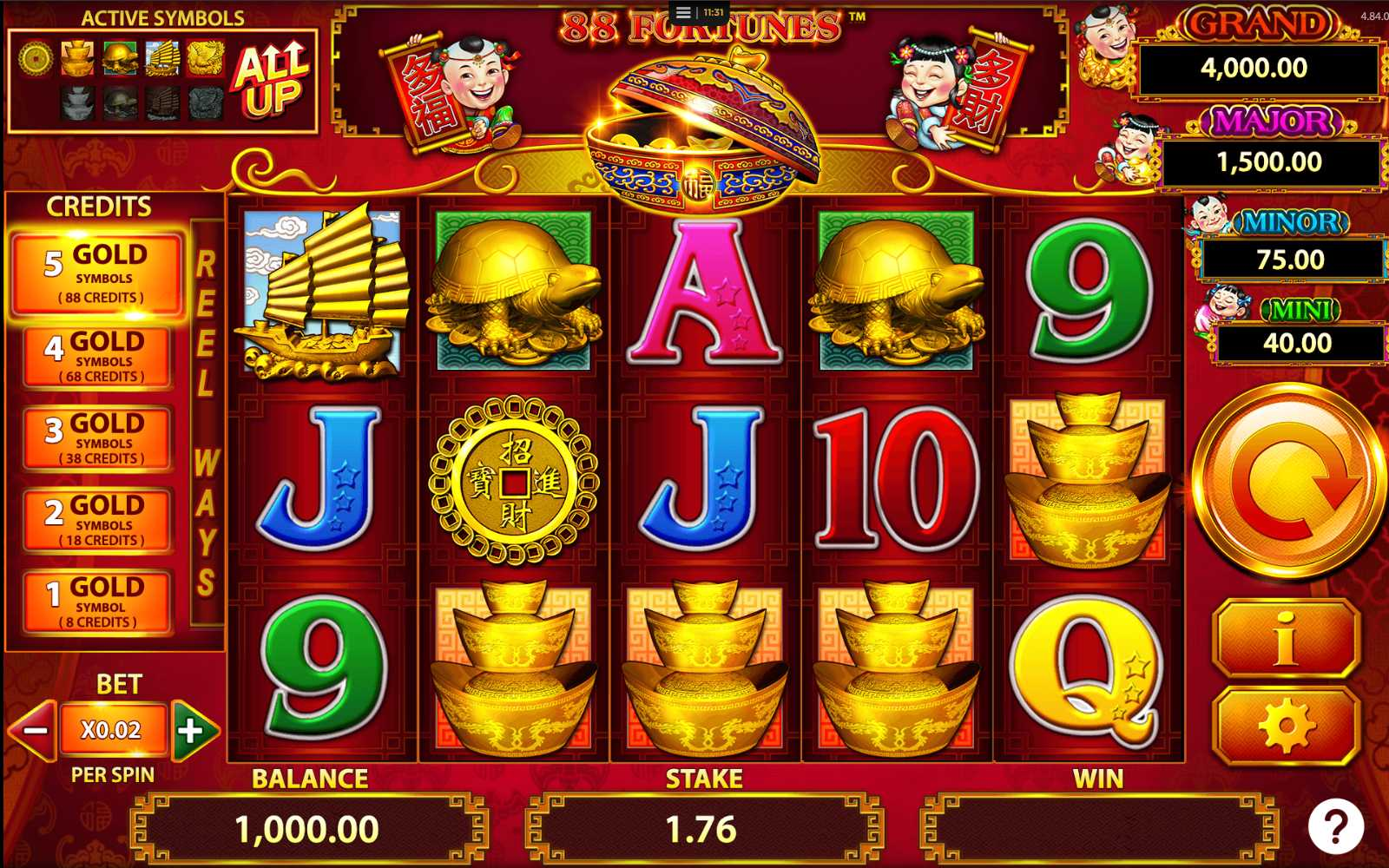
Modern slot games now use high-definition graphics and advanced rendering techniques. Developers design detailed backgrounds, dynamic lighting, and fluid animations that respond to gameplay events. This makes the slot experience feel more like an interactive visual journey than a traditional game of chance.
3D animation has become a standard feature in many slot titles. Instead of flat symbols, players now see fully modeled characters and environments. These elements move, react, and interact during gameplay, adding depth and realism to the slot experience.
Cinematic effects are also widely used. A slot game may include zoom-ins, slow-motion sequences, and dramatic transitions during bonus rounds or big wins. These effects help emphasize key moments and increase emotional engagement.
Theme consistency is a major focus in visual design. Every element in a slot game—from symbols to backgrounds—is carefully aligned with the chosen theme. Whether it’s ancient mythology, futuristic worlds, or fantasy landscapes, visual cohesion enhances immersion.
Particle effects such as sparks, explosions, and glowing trails are commonly used to highlight wins and special events in a slot game. These effects provide instant visual feedback and make gameplay more exciting and rewarding.
Adaptive backgrounds are another innovation. In some slot games, the environment changes based on progress or bonus activation. This creates a sense of movement and evolution within the game world, keeping the experience visually fresh.
Symbol animation is also crucial. Instead of static images, symbols in a slot game may rotate, pulse, or transform when part of a winning combination. This adds energy and helps guide player attention during gameplay.
Mobile optimization has influenced visual design as well. A slot game must maintain high-quality visuals while running smoothly on different devices. Developers balance detail and performance to ensure consistent experiences across platforms.
In conclusion, visual design in the slot game industry has evolved from simple mechanical symbols to fully immersive digital environments. Through 3D graphics, animations, and cinematic effects, modern slot games create engaging experiences that go far beyond traditional gameplay.






Post Comment