Hello worldSports: More Than a Game — A Catalyst for Health, Unity, and Growth!
Welcome to WordPress. This is your first post. Edit or delete it, then start writing!
Sports have been an integral part of human civilization for centuries, transcending borders, cultures, and languages. Whether it’s a local school competition or an international event like the Olympics or FIFA World Cup, sports capture the attention and passion of millions. But beyond the thrill of victory and the agony of defeat, sports offer far-reaching benefits — for individuals, communities, and society at large.
The Role of Sports in Physical and Mental Health
One of the most direct and evident benefits of sports is improved physical health. Engaging in sports, whether it’s football, basketball, swimming, or tennis, promotes cardiovascular health, improves muscular strength, and enhances flexibility and endurance. Regular physical activity helps combat obesity, reduce the risk of chronic diseases such as diabetes and hypertension, and boosts the immune system.
But the benefits of sports are not just physical. Playing sports also has profound effects on mental well-being. It helps reduce stress, anxiety, and symptoms of depression by triggering the release of endorphins — the body’s natural mood elevators. Team sports also provide social support and foster a sense of belonging, which is crucial for emotional stability.
Building Character and Discipline
Sports instill valuable life skills that go far beyond the field. Discipline, perseverance, teamwork, leadership, and time management are just a few of the qualities athletes develop through regular practice and competition. These traits often translate into academic and professional success.
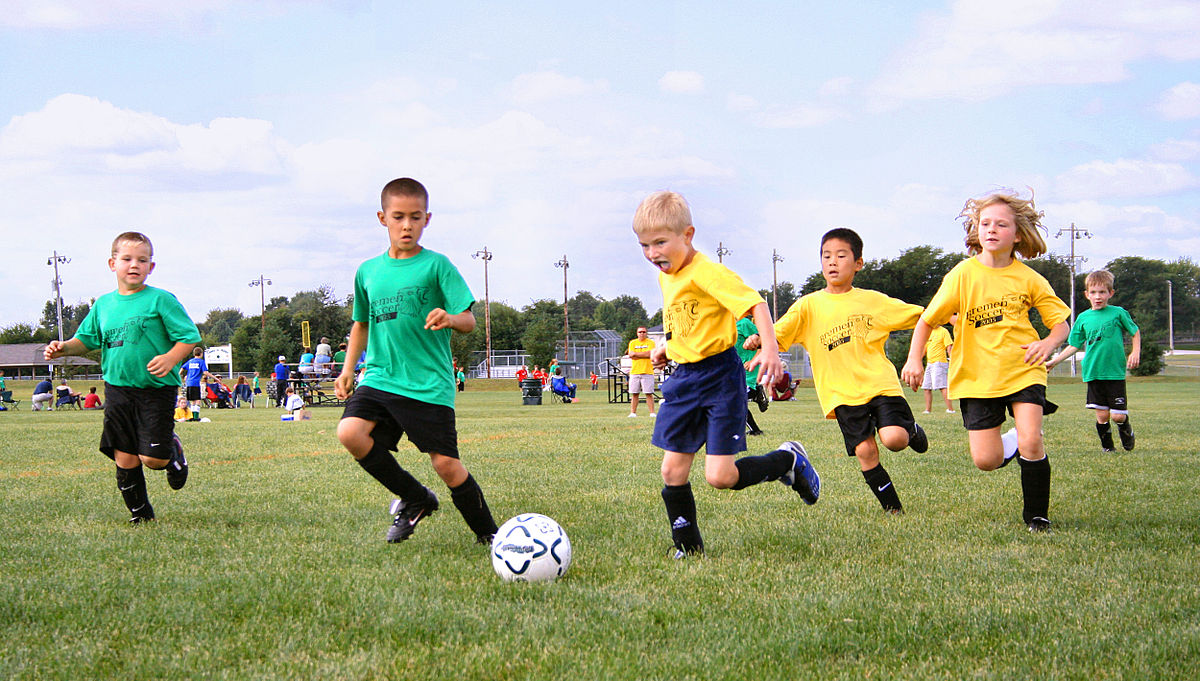
For young people, participation in sports builds self-confidence and teaches the importance of hard work, goal setting, and handling both success and failure with grace. The structure and commitment required to participate in organized sports help shape responsible and resilient individuals.
Unity and Cultural Exchange
Sports are a powerful tool for bringing people together. Regardless of background, race, or belief, fans and athletes unite through shared passion. Major sporting events like the World Cup or the Olympic Games showcase this power by drawing participants and audiences from around the globe, promoting peace and cultural exchange.
At a community level, local sports leagues and school competitions build camaraderie and civic pride. They encourage inclusivity and create environments where diversity is celebrated and social bonds are strengthened.
Economic and Career Opportunities
Sports are not just about playing games—they are a significant part of the global economy. Professional sports generate billions of dollars annually and create job opportunities in coaching, management, marketing, journalism, health care, and merchandising.
The rise of sports-related industries, including fitness tech, sports apparel, and e-sports, has expanded the career possibilities even further. Countries investing in sports infrastructure also see benefits in tourism, urban development, and international recognition.
Technology and Innovation in Sports
Technology has dramatically transformed how sports are played, watched, and analyzed. Innovations such as VAR (Video Assistant Referee) in football, Hawk-Eye in tennis, and wearable fitness trackers for athletes have enhanced fairness and performance monitoring.
Live streaming and virtual reality have changed how fans engage with sports, making it more immersive and accessible. Data analytics now plays a crucial role in strategy, training, injury prevention, and scouting talent.
Additionally, adaptive sports and advancements in prosthetics have enabled individuals with disabilities to participate in and even excel in competitive sports — as seen in the Paralympic Games.
The Rise of Women in Sports
In recent years, there has been a significant push toward gender equality in sports. Female athletes like Serena Williams, Simone Biles, and Megan Rapinoe have become global icons, inspiring young girls to dream big and break barriers.
While challenges remain — such as disparities in pay, media coverage, and sponsorship — the progress is undeniable. Women’s leagues, tournaments, and participation are growing across all levels, from grassroots to professional sports.
Sports in Education
Educational institutions increasingly recognize the importance of sports in holistic development. Schools and colleges incorporate physical education into their curricula, and many offer scholarships to talented athletes.
Participation in sports fosters school spirit, improves academic performance, and reduces dropout rates. Student-athletes learn to balance studies with training, developing a strong work ethic and time management skills early in life.
Challenges in the World of Sports
Despite its benefits, the world of sports faces several challenges. Doping scandals, corruption, commercialization, and mental health issues among professional athletes have cast shadows on the industry.
It is essential for governing bodies, fans, and stakeholders to uphold integrity, prioritize athlete well-being, and promote fair play. Grassroots development, transparent policies, and mental health support can help address these concerns effectively.
The Future of Sports
As the world evolves, so will the realm of sports. E-sports, once considered niche, are now mainstream, drawing millions of viewers and offering lucrative opportunities for gamers. Sustainable sports practices, such as eco-friendly stadiums and events, are gaining importance in response to climate change.
Inclusivity, diversity, and innovation will shape the future of sports. The focus will increasingly shift toward ensuring access to sports for all — regardless of gender, ability, or economic status — and leveraging its power to drive social change.
Conclusion
Sports are more than just a pastime — they are a vital component of a healthy, united, and forward-moving society. They empower individuals, inspire nations, and bridge divides. Whether played professionally or recreationally, sports have the power to transform lives and communities. As we continue to navigate the complexities of the modern world, embracing the values and benefits of sports can lead us toward a more balanced and connected future.








1 comment