Pest Control: Ensuring Safe and Healthy Living Environments
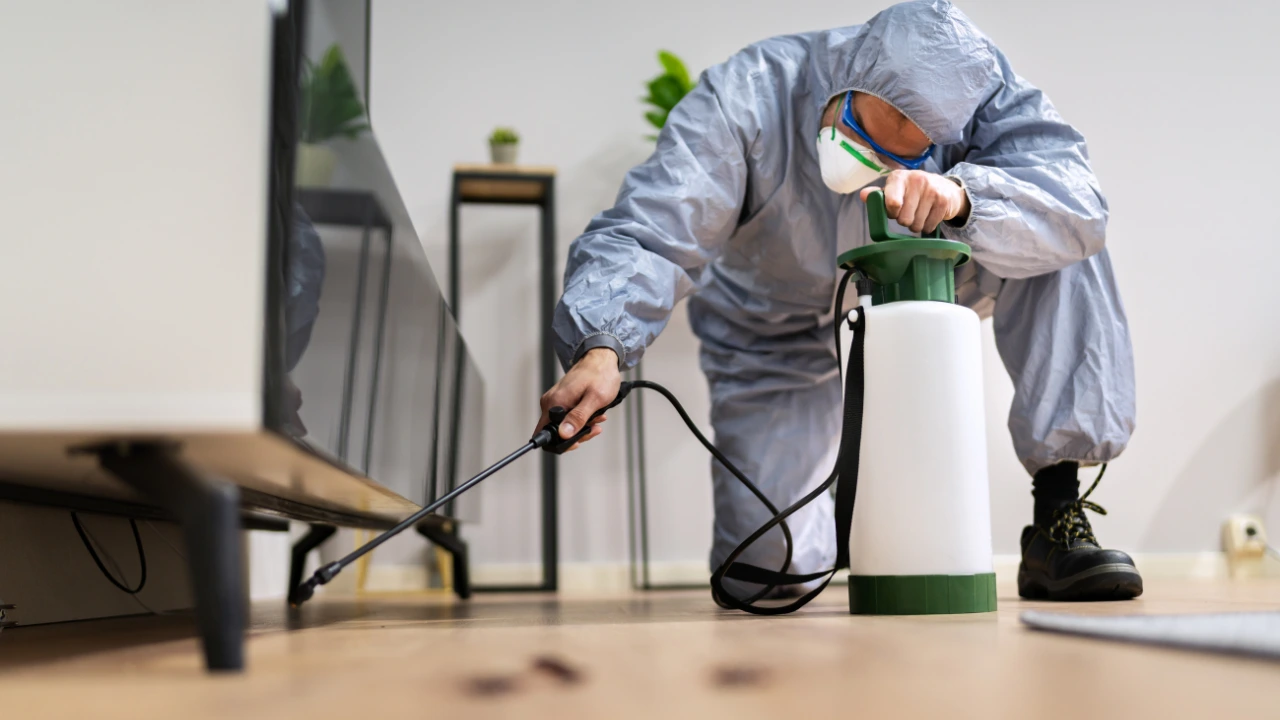
Pest control is a crucial aspect of maintaining safe, clean, and healthy living spaces. Unwanted pests, including insects, rodents, and other animals, can not only cause property damage but also pose serious health risks. Effective pest control strategies help prevent infestations, reduce the spread of diseases, and protect both homes and businesses. With growing awareness about hygiene and environmental safety, pest control has become an essential service for maintaining comfortable and secure surroundings.
One of the main reasons pest control is essential is its role in protecting health. Pests such as mosquitoes, rats, cockroaches, and ticks are known carriers of harmful pathogens. Mosquitoes, for instance, transmit diseases like malaria, dengue, and Zika virus, while rodents can carry leptospirosis and salmonella. Cockroaches and bedbugs may trigger allergies and asthma attacks, especially in children and elderly individuals. By implementing regular pest control measures, households and commercial spaces can significantly reduce the risk of disease transmission, creating a healthier environment for everyone.
Property protection is another key aspect of pest control. Termites, carpenter ants, and rodents are notorious for causing structural damage to buildings. Termites, in particular, can destroy wooden structures over time, leading to costly repairs and decreased property value. Rodents can gnaw through wires, insulation, and furniture, creating fire hazards and energy inefficiencies. Professional pest control services detect and eliminate these threats early, preventing extensive damage and preserving the integrity of both residential and commercial properties.
Modern pest control utilizes a combination of chemical, biological, and physical methods to effectively manage infestations. Chemical treatments, including insecticides and rodenticides, are applied strategically to target specific pests while minimizing risks to humans and pets. Biological control methods use natural predators, such as ladybugs to control aphid populations, to reduce the reliance on chemicals. Physical methods, such as traps, barriers, and sealing entry points, prevent pests from entering or reproducing within a property. Integrated Pest Management (IPM) is widely adopted today, emphasizing inspection, monitoring, and prevention before resorting to chemical solutions.
Prevention is a fundamental part of pest control. Maintaining cleanliness, properly storing food, and removing sources of standing water are effective ways to deter pests. Sealing cracks, gaps, and entry points in buildings can stop rodents and insects from infiltrating homes or offices. Proper outdoor maintenance, including trimming trees, managing gardens, and disposing of waste regularly, can prevent mosquitoes, flies, and other insects from breeding near living areas. Preventive strategies reduce infestations, save money, and minimize the need for intensive chemical treatments.
Professional pest control services provide expertise and customized solutions for both residential and commercial needs. Trained technicians can identify pest species, evaluate the extent of infestations, and recommend the most effective treatment plans. For businesses such as restaurants, hospitals, and warehouses, maintaining strict pest control standards is critical for compliance with health and safety regulations. Many pest control companies also offer follow-up inspections, educational guidance, and emergency response services, ensuring long-term protection.
Environmentally friendly pest control is increasingly popular as homeowners and businesses seek sustainable solutions. Low-toxicity treatments, natural repellents, and targeted interventions minimize harm to humans, pets, and beneficial wildlife. Companies adopting eco-friendly practices focus on habitat management, prevention, and minimal chemical use, balancing effectiveness with environmental responsibility. Sustainable pest control not only protects health and property but also promotes ecological balance and community well-being.
In conclusion, pest control is a vital service for safeguarding health, protecting property, and maintaining clean and safe environments. Through a combination of preventive measures, professional services, and modern techniques, infestations can be controlled effectively while minimizing environmental impact. Whether addressing residential, commercial, or industrial spaces, pest control ensures peace of mind, safety, and long-term protection. By managing pest populations responsibly, communities can enjoy healthier, more secure, and more comfortable living and working environments.








Post Comment